Impacts of Noise and Vibration
Noise and vibration on construction sites can have a range of negative effects on both human health and the environment. It is essential to manage and mitigate these impacts to protect workers, nearby residents, wildlife and the environment.
Impact on Human Health:




Impact on Wildlife:

Impact on the Environment:

In the UK, there are strict regulations regarding noise and vibration control on construction sites. These laws are designed to protect the public, workers and the environment from harmful noise levels and vibrations during construction activities.
Control of Noise at Work Regulations 2005
- These regulations set out the requirements for managing noise in the workplace, including the construction industry.
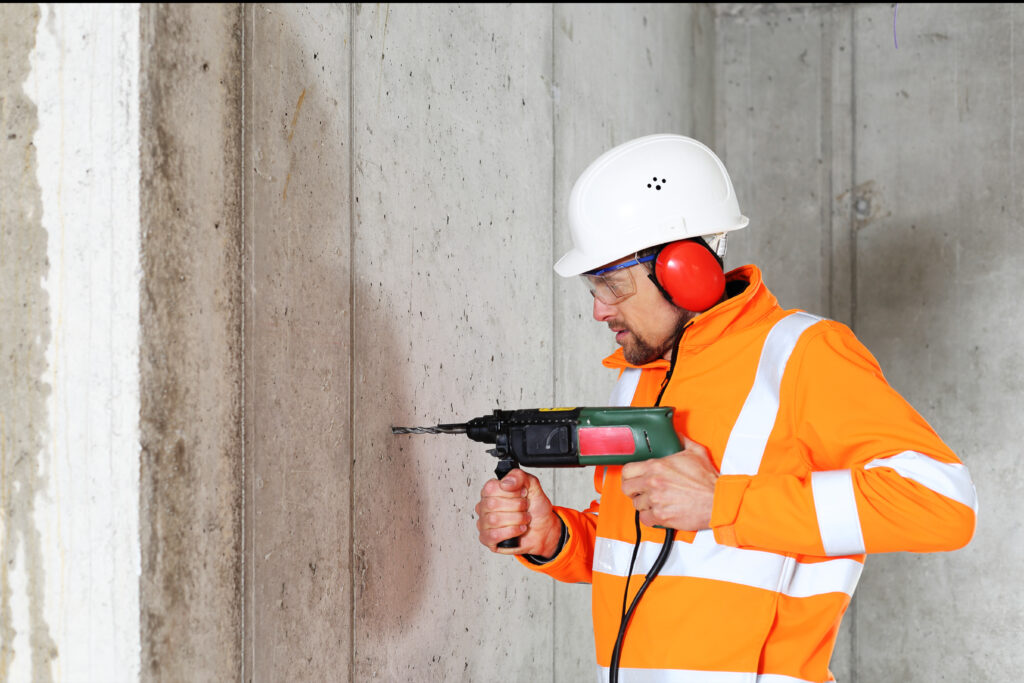
- Employers must assess the risks from noise exposure and take action to eliminate or reduce those risks. This includes providing hearing protection, reducing noise levels at the source and ensuring safe working practices.

Environmental Protection Act 1990

- This legislation empowers local authorities to take action against noise pollution. Under this act, if noise from a construction site is deemed a statutory nuisance, the local authority can issue an abatement notice requiring action to reduce the noise.
- It also allows for prosecutions if noise pollution continues despite warnings.
The Control of Pollution Act 1974
- This law limits noise levels from construction sites and allows local authorities to set specific hours during which construction work may take place. This is to prevent excessive disturbance to local communities, particularly during unsociable hours such as night-time or early morning.

Construction (Design and Management) Regulations 2015 (CDM)
- Under the CDM regulations, construction projects must be planned and managed in a way that minimises noise and vibration risks to workers and the public.
- The regulations require the inclusion of noise and vibration control measures within risk assessments and method statements for the project.
Noise and Vibration Control on Construction and Open Sites
- This British Standard provides guidance on controlling construction noise and vibration. It includes limits for noise levels and recommends mitigation measures, such as the use of quieter machinery and working methods.
- It also provides recommendations for monitoring noise levels during construction.

Monitoring and Mitigation Techniques
Effective monitoring and mitigation techniques are essential for managing noise and vibration on construction sites. These strategies ensure that construction activities comply with legal requirements and minimise the impact on workers, nearby residents and the environment.
Use of Noise Meters: Noise levels on construction sites can be measured using sound level meters or integrated noise monitoring systems. These devices record the decibel level of noise and allow for ongoing monitoring of noise emissions in real-time.
Monitoring at Sensitive Locations: Noise monitoring should be conducted at sensitive locations, such as residential areas, schools or hospitals, to ensure that noise levels do not exceed acceptable thresholds.
Continuous Noise Monitoring: In some cases, continuous noise monitoring systems can be used to record noise levels 24/7, especially during night shifts or sensitive times.

Use of Vibration Meters: Vibration levels can be measured using specialised meters that assess the amplitude of ground vibrations. These instruments help ensure that vibrations from construction activities do not exceed limits that could cause damage to nearby structures or disturb the local population.
Monitoring at Critical Areas: Vibration monitoring should be focused on areas close to sensitive structures or equipment to prevent potential damage from high vibration levels.

Quieter Equipment: One of the most effective ways to reduce noise is by using quieter equipment and machinery. Construction equipment with built-in noise reduction features, such as low-noise generators or soundproofed compressors, should be prioritised.
Noise Barriers and Screens: Erecting temporary noise barriers or screens around noisy equipment can significantly reduce noise levels in surrounding areas. These barriers are particularly useful when working in densely populated areas.
Scheduling Work Hours: Construction work should be scheduled to minimise disruption to the surrounding area. For example, loud work can be limited to daytime hours, with quieter tasks performed during early morning or evening hours.
Maintaining Equipment: Well-maintained equipment tends to generate less noise. Regular servicing and repair of machinery and tools will help keep noise levels down.

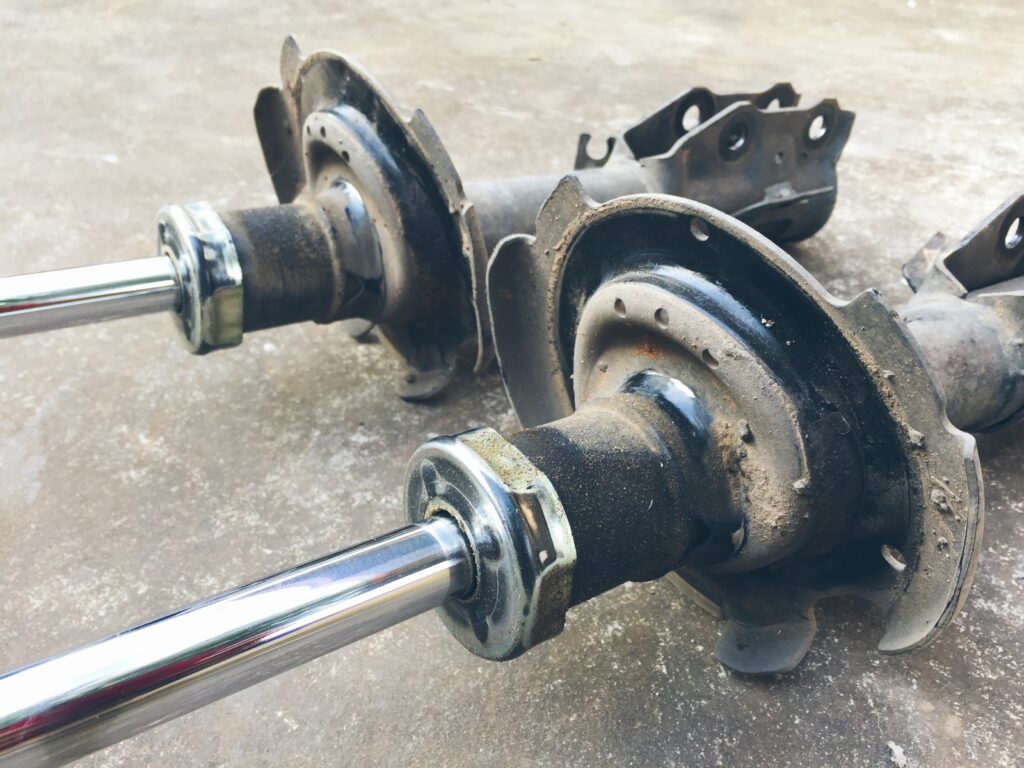
Use of Vibration Dampers: Installing vibration dampers or isolators on equipment can help reduce the intensity of vibrations transmitted through the ground.
Avoiding Sensitive Areas: Avoiding construction activities near sensitive structures, such as residential buildings or historical sites, reduces the risk of vibration damage.
Timing of Operations: Limiting high-vibration activities, such as piling or demolition, to times when they will have the least impact (e.g. during periods when fewer people are present) can also help mitigate vibrations.
Personal Protective Equipment (PPE): Workers should be provided with hearing protection (earplugs or earmuffs) when working in noisy environments. In areas where vibration exposure is a risk, workers may need vibration-dampening gloves or other specialised PPE.
Training and Awareness: Workers should be trained to recognise the risks associated with noise and vibration and how to minimise their exposure, including the use of PPE and safe work practices.