Emergency Procedures & First Aid for Electrical Incidents
Electrical incidents on construction sites can result in serious injuries or even fatalities. It’s crucial for workers to understand how to respond to electrical accidents promptly and effectively. Knowing the steps to take in case of an electric shock, how to administer CPR, how to respond to electrical fires and the importance of reporting incidents can save lives and reduce harm.
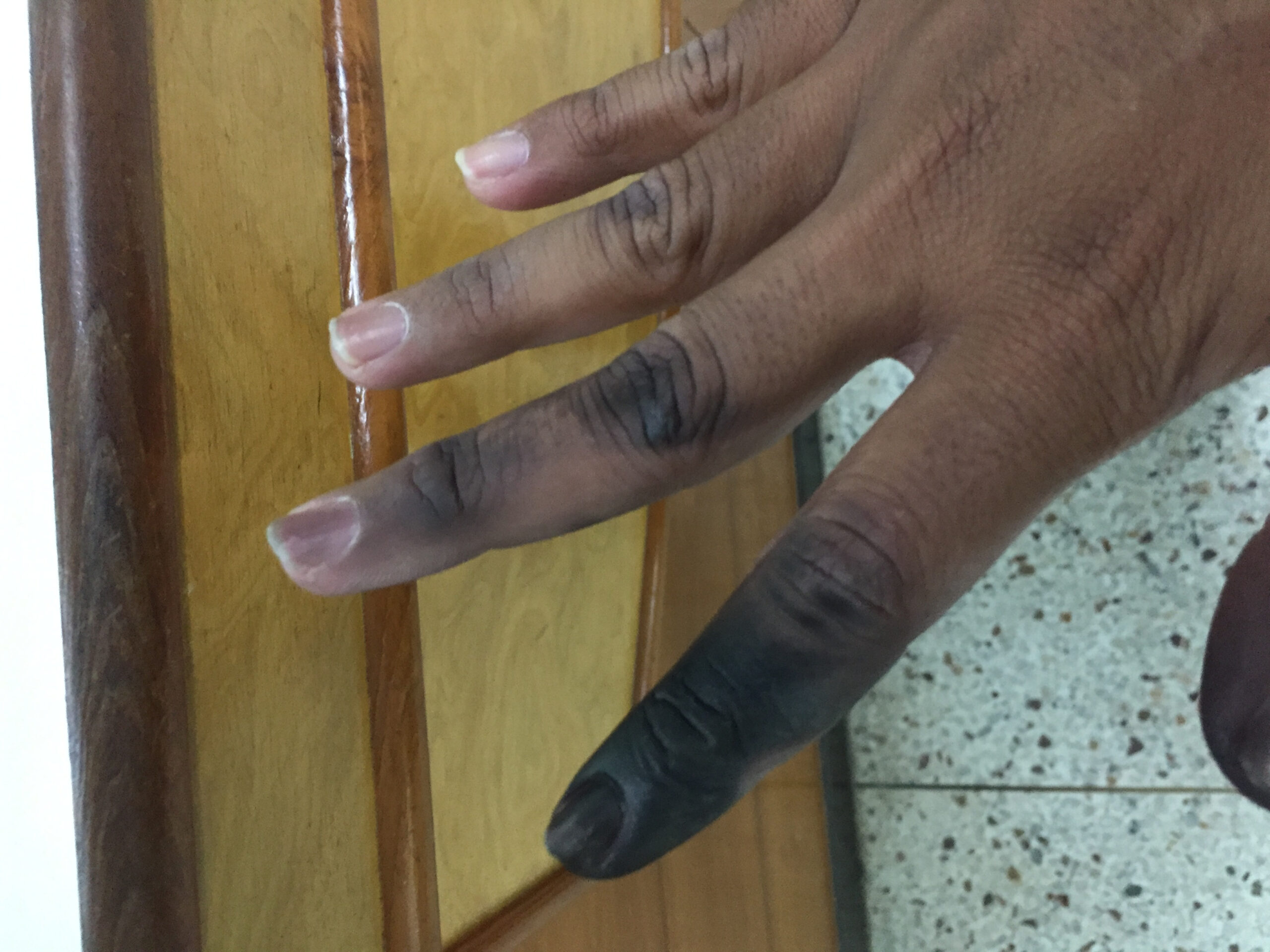
Recognising electrical accidents and injuries quickly is critical in preventing further harm and ensuring that the correct emergency response is initiated.
Key Points:
- Signs of Electrical Shock:
A person experiencing an electric shock may show signs of muscle spasms, burns, loss of consciousness, difficulty breathing or irregular heartbeats. - Other Injuries to Look Out For:
In addition to electric shock, workers may experience burns from electrical arcs, falls from height due to shock-induced loss of control or internal injuries from electricity passing through the body. - Immediate Action:
If any of these symptoms are noticed, it is important to act quickly and seek help from emergency medical personnel.
The first few moments after an electrical shock are critical. Workers must know how to react quickly and safely.
Key Points:
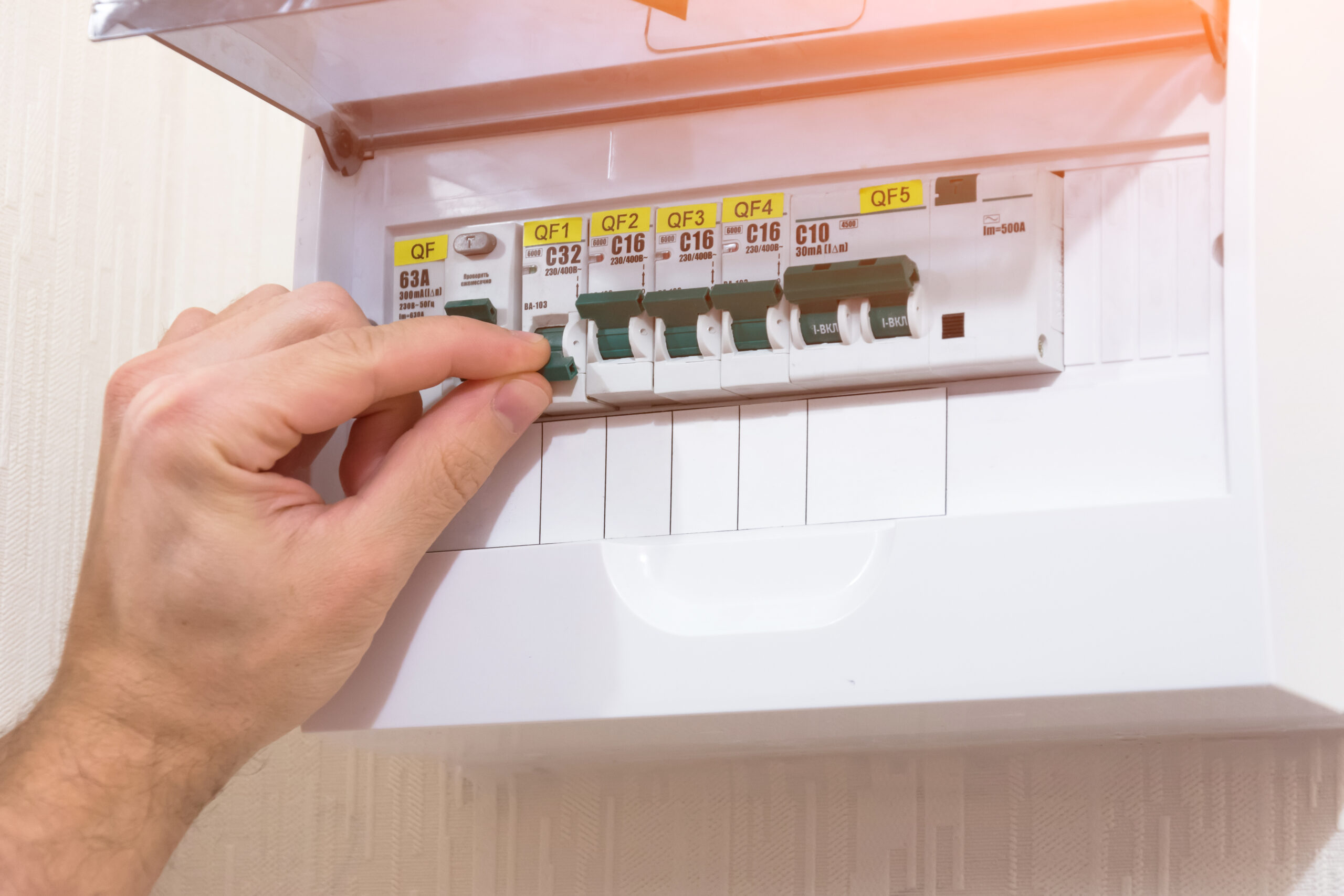
- Isolate the Source of Electricity:
First, disconnect the power source or switch off the electrical supply to prevent further injury. If this isn’t possible, use a non-conductive material (such as a wooden stick or insulated tool) to move the person away from the electrical source. - Call for Help:
Call emergency services (999 or 112) immediately and inform them of the electrical injury. Clearly explain the situation and follow the operator’s instructions. - Check for Breathing and Pulse:
After ensuring that the person is no longer in contact with the electrical source, check if they are breathing and if their pulse is present. If the person is unconscious and not breathing, CPR should be administered. - Do Not Touch the Victim Directly:
Avoid direct contact with the victim until the power has been safely turned off. If you must assist, use a non-conductive item (e.g. a wooden or plastic object).
In the case of severe electrical shock where the victim loses consciousness and stops breathing, CPR (Cardiopulmonary Resuscitation) is a lifesaving procedure.

Key Points:
- Start CPR Immediately:
If the victim is not breathing or has no pulse, initiate CPR. Begin by performing chest compressions at a rate of 100-120 per minute, followed by 30 compressions and 2 rescue breaths. - Use of Automated External Defibrillator (AED):
If an AED is available, use it as soon as possible. The device will analyse the heart’s rhythm and provide instructions for delivering a shock if necessary. - Continued CPR:
Continue CPR until emergency medical help arrives or the person starts breathing again. If another trained person is available, they can take over chest compressions while the first rescuer performs rescue breaths.
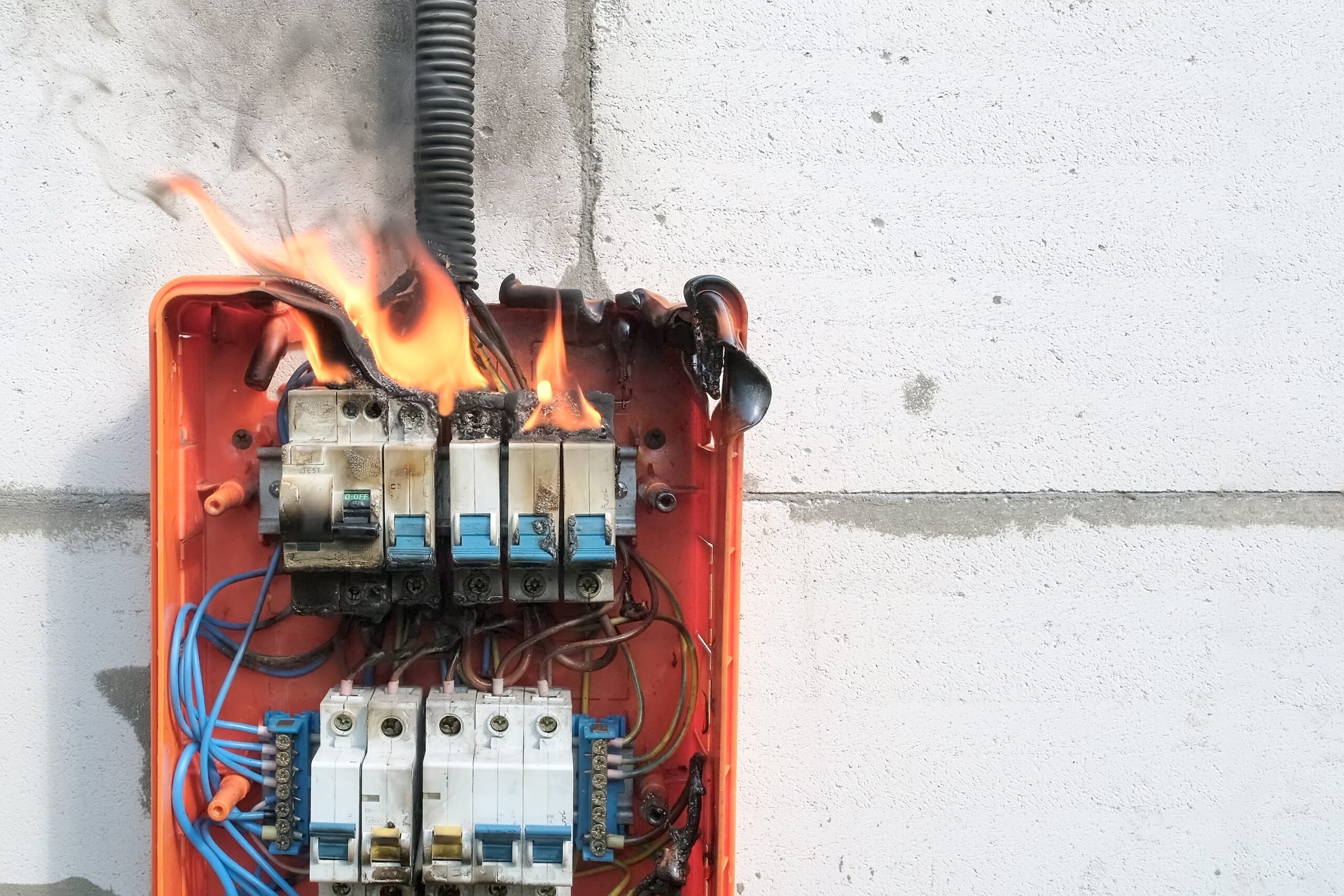
Electrical fires can occur as a result of faulty wiring, overloaded circuits or malfunctioning electrical equipment. Understanding how to safely respond to electrical fires is vital to prevent them from spreading and causing more harm.
Key Points:
- Do Not Use Water:
Water should never be used to extinguish electrical fires as it can conduct electricity and worsen the risk of shock. Always ensure the power is turned off before attempting to put out the fire. - Use the Correct Fire Extinguisher:
Use a Class C fire extinguisher, which is suitable for electrical fires. If an electrical fire involves live equipment, a CO2 extinguisher is often the most appropriate as it won’t conduct electricity. Dry powder extinguishers can also be used but should be handled carefully. - Evacuate if Necessary:
If the fire cannot be safely contained, evacuate the area immediately and alert emergency services. Do not attempt to put out the fire if you are unsure of the correct extinguisher or if the fire is too large to control.
Reporting accidents and near-misses is essential for improving safety on construction sites and preventing future incidents.
Key Points:
- Legal Obligation:
Under the Health and Safety at Work Act 1974 and RIDDOR (Reporting of Injuries, Diseases and Dangerous Occurrences Regulations), employers are required to report any electrical accidents that result in injury or death to the Health and Safety Executive (HSE). - Near-Miss Reporting:
Near-miss incidents, where no injury occurs but a potential hazard is identified, should also be reported to help prevent future accidents. Encouraging workers to report near-misses creates a proactive safety culture. - Documentation:
All accidents, injuries and near-misses should be documented thoroughly, including the cause, actions taken and any corrective measures implemented. This information is valuable for training, audits and improving safety protocols.
Conclusion
Responding effectively to electrical incidents can mean the difference between life and death. Recognising electrical accidents and injuries, taking prompt action to disconnect power sources, administering CPR when necessary, using the correct fire extinguishing methods and reporting accidents and near-misses all contribute to maintaining a safe working environment. Regular first aid training, including CPR and fire safety procedures, is essential for all workers in the construction industry to ensure they are prepared to act swiftly in the event of an electrical emergency.